Breakdown 1975: Doc Suggests We’ll Survive Our Current Moment (and Our Movies Might Improve)
By Karen Gordon
Rating: A
The world is a mess right now and things feel like they’ve turned upside down. Should it make me feel better that it’s been that way before in my lifetime and we’ve survived?
I’m writing this in the wake of the Brown University shooting, the Bondi Beach massacre, and the murder of Rob and Michele Reiner. I’m feeling shaky, full of grief and sadness.
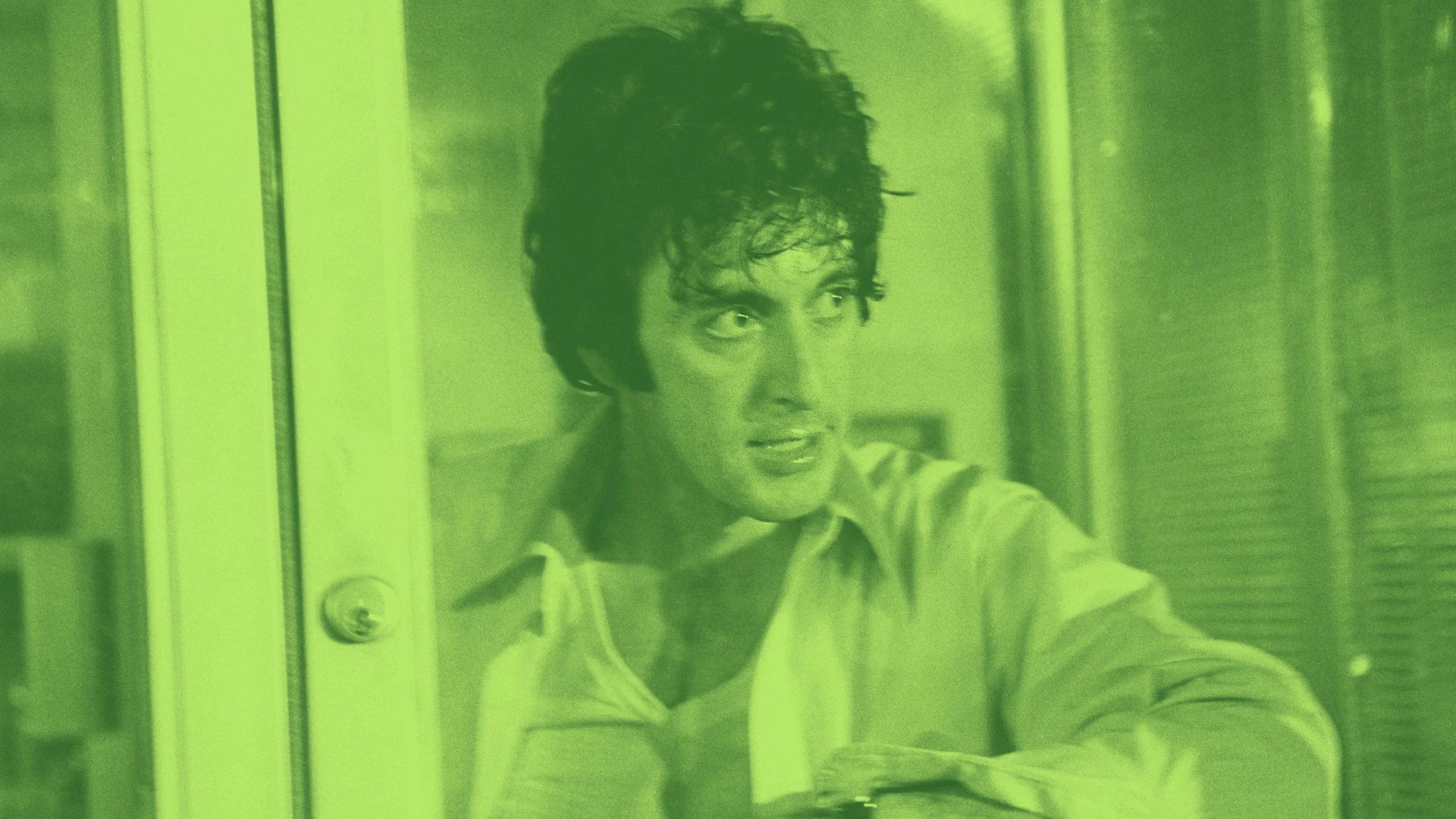
A scene from Dog Day Afternoon, released alongside many other classics in 1975.
So, it was a relief and a pleasure to dive into Morgan Neville’s Breakdown 1975, an engrossing and highly entertaining new Netflix documentary narrated by Jodie Foster that’s both brain food and fun to watch.
Neville, the prolific Oscar-winning director of Twenty Feet from Stardom, makes the case that 1975 was a year when America — post Vietnam, post Watergate — was having a nervous breakdown.
Crime was rampant, New York was bankrupt, the civil rights and feminist movements were rattling the foundations hard, and the foundations were rattling back; baby boomers were coming of age. All of this was challenging the way Americans saw their country. The veneer was lifting, revealing the schisms in the way that individuals felt about everything from personal identity to government.
In the wake of all this, Neville has us look at the movies which, as he says, captured the soul of the country in this turbulent time.
Audiences that had once flocked to a certain kind of film, typified by the John Wayne Western that portrayed America as heroic were turning away from those themes. There was a new generation pushing to make movies that reflected the world that they were living in.

The Hollywood establishment had been challenged by the success of Easy Rider in the 1969, a breakout role for Jack Nicholson who became a kind of archetype of the conscious rebel. The young filmmakers who would come to define the new Hollywood started to make headway.
Martin Scorsese, one of the film’s commentators, calls 1975 a perfect time noting “that all the conventions were being wiped away, and we were creating a new world.”
By 1975 Neville says, those filmmakers were putting movies onto screens that reflected a much less flattering view of America back to itself. The macho hero gave way to the anti-hero, who pushed against the system, and sometimes lost the battle.
The movies Neville highlights that landed in 1975 are quite stunning with many now considered classics: Chinatown, All the President’s Men, Taxi Driver, One Flew Over the Cuckoo's Nest, The Parallax View, The Stepford Wives, Jaws, Dog Day Afternoon, Three Days of The Condor, Network, and The Conversation to name a few. This was the era of what were called Blaxploitation films, disaster movies, revenge movies, and those showed up on screens in 1975.
As various people in the film note, these movies didn’t pander to audience tastes. They raised questions and demanded that we engage.
Neville keeps the doc moving quickly, having fun with movie clips, using them for narrative punctuation, often juxtaposing clips from different movies to explore how the themes matched. Taxi Driver intercut with Chinatown. Or an excerpt from Richard Nixon’s press conference with clips of All the President’s Men.
He also reaches into the culture at large for other areas that were showing the face of a changing America. And that includes TV. This was the era of All in the Family. Stand-up comedy was another place where cultural changes were playing out. He focuses on the brilliant Richard Pryor and the impact he was having on the culture, challenging perspectives on race.
Neville also looks at the politics of the time, noting a moment when Ronald Reagan was still just an unemployed actor looking for his next gig. With Breakdown 1975, Neville isn’t asking us to consider whether the year was pivotal. He’s making the case that it was.
To help tell that story and provide context, Neville has turned to a range of writers, actors, filmmakers. Patton Oswalt, film critic Wesley Morris, writer-producer Peter Bart, director Oliver Stone, actors Ellen Burstyn and Josh Brolin, author Peter Biskind, screenwriter Joan Tewkesbury, writer-director Albert Brooks, Seth Rogen, all presided over by Foster’s excellent narration.
If there’s a weakness in the film, you could perhaps argue that the people Neville has gone to for perspective aren’t historians. Breakdown 1975 feels a lot like an oral history. There are writers and authors, actors and directors who lived it, film critics and writers and actors who didn’t, but look at those movies from the perspective of a different generation.
Bart says that 1975 was a remarkable year and one we will never see again. That is, of course, a broad statement. But there is something to consider there. As Neville’s film reminds us there was an intellectualism and an idealism behind the films.
These filmmakers were rethinking Hollywood films playing with the way stories were told. They were often asking hard and important questions about their country, but one that they still believed in. It was a rejection of some of the things that plague us now in our era of social media and a collapsing mainstream news business that’s led to divisiveness, and an acceptance of a certain kind of violence and racism, people seeming unwilling to engage in ideas outside of their silo.
There is something reassuring about looking at a time when America was crumbling and in trouble. But it passed, and things got better.
Breakdown 1975. Written and directed by Morgan Neville. With Jodie Foster, Martin Scorsese, Albert Brooks, Seth Rogen, John Brolin, Patton Oswalt, and Ellen Burstyn. Streaming on Netflix December 19.