
Original-Cin Q&A: Kenny Loggins Doc Director Dori Berinstein on Profiling an Icon
By Bonnie Laufer
Tony Award–winning producer and director Dori Berinstein brings her latest documentary, Kenny Loggins: Conviction of the Heart to Toronto’s Hot Docs documentary film festival, where it makes its world premiere April 27 at the Hot Docs Ted Rogers Cinema (9:45 pm), repeating April 28, 8:15pm, at TIFF Lightbox 1.
Known for her profound storytelling in Broadway hits like The Prom and intimate portraits of icons such as Marvin Hamlisch and Carol Channing, Berinstein turns her lens toward the legendary “King of the Movie Soundtrack.”
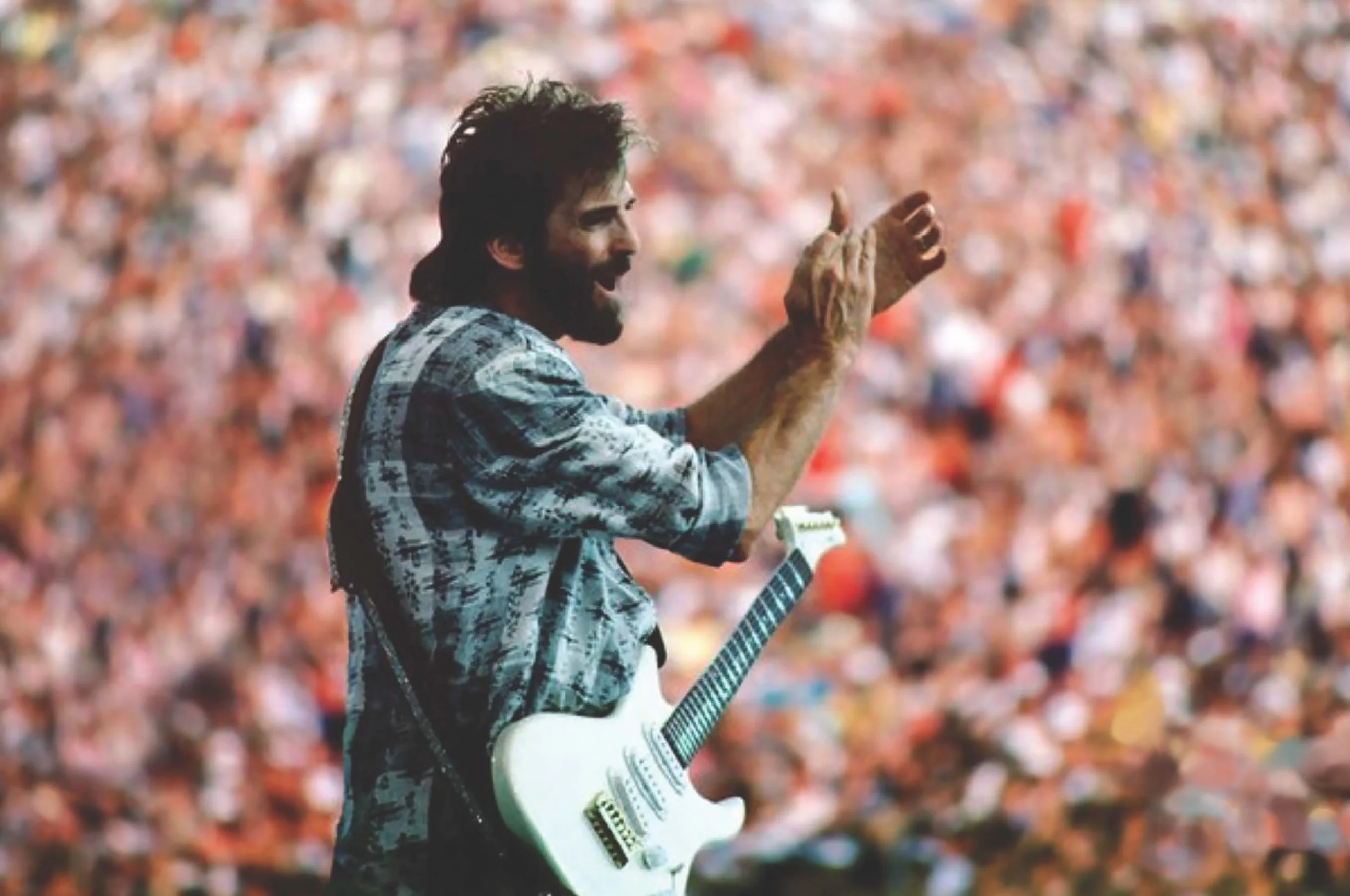
The documentary delves deep into the life and enduring career of Kenny Loggins, exploring the “serendipity” that has defined both his musical journey and Berinstein's own approach to filmmaking. From the high-octane energy of Footloose and Top Gun to the deeply personal evolution of his craft, Berinstein shares insights into the man behind the music and what it takes to capture the soul of a generational icon on film.
Bonnie Laufer spoke to Berinstein about the documentary and what really makes Kenny Loggins tick.
ORIGINAL-CIN: You are a Tony Award–winning producer with several projects currently on the go. How do you decide what you are going to do? When do you even sleep?
DORI BERINSTEIN: I feel so fortunate because I'm able to tell the stories I want to tell and I just have had so many stories. It’s really been a blessing. Being able to tell those stories, to me it's not working. And who needs sleep? It's just like joy and it's fun and I love that.
O-C: How do you choose your subjects?
DB: All my documentaries have come from serendipity, from a personal place or interest in a person. Whether it's Carol Channing or Marvin Hamlisch or any docs about the world of Broadway, I have a connection and it kind of leads to that point. I just wanted to share their stories with the world, because I found them to be so inspiring and had extraordinary lives. With Kenny, I didn't approach him thinking I was going to do a documentary. I'm a huge fan of his music, and initially I was thinking about using his music in a Broadway show.
O-C: That's a great idea. It would be so fantastic to centre a musical around his songs, much like Mamma Mia.
DB: That was my initial thought. When I originally reached out, I didn't know him, but because his music has brought me such joy, I just thought it was perfect for the stage. We met, and I met his team, and we just started to talk, and then the pandemic hit, but when we just continued the conversation and as I learned more, it became very clear that, wow, he had an incredible story to tell. So, I asked if I could switch focus, not leave the other one behind, but really dive into the documentary and he was with me all the way.

O-C: How do you establish trust with somebody? As we see in the documentary, Kenny is an open book and very vulnerable in his interviews.
DB: That developed over time. As we got to know each other, he became more comfortable in sharing things with me, and then it really was very conversational when we would meet for me to interview him for the film, and we just got lost in conversation. It was an authentic conversation as opposed to an interview. I think that it just evolved in that direction, and with his music, he wears his heart on his sleeve. He is so honest and processes so many of his own life moments, important moments, through his music that it seemed very organic to continue that conversation on a lot of those topics.
O-C: With Kenny, you have over 40 years of concerts, albums, movie soundtracks, interviews and so forth to work with. Where did you even begin?
DB: That's the hardest thing by far and we ended up having to leave some important, beautiful moments on the cutting room floor, which was torture. But it's also about how to shape it so that there's a balance and it moves forward. I could have gone down rabbit holes, and it would have been a very different film. It was tempting because the stories and the access was so extraordinary. The focus was always what is driving his storytelling. So much of it is personal, and so much of it is about collaboration and so it really was trying to get to the heart of what is inspiring his creativity, and sometimes life events, sometimes it's where collaboration takes him. I was trying to use that as my compass.
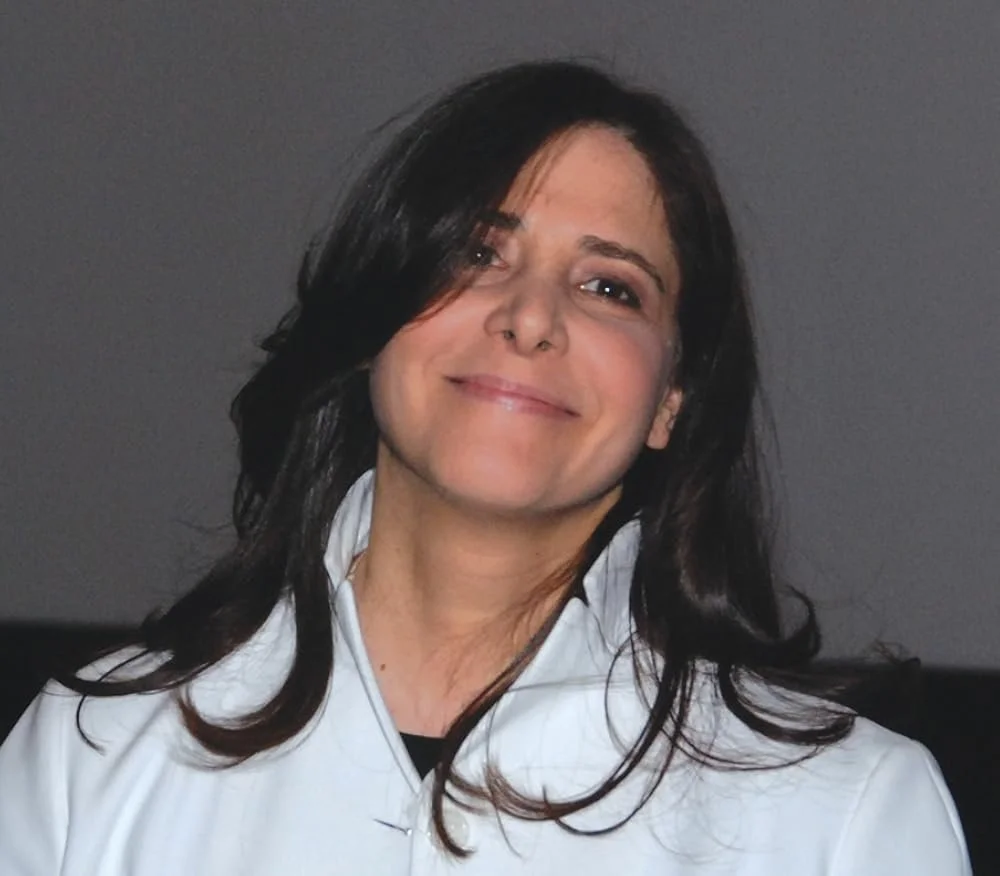
Director Dori Berinstein
O-C: I wanted to ask you about the collaboration, because when you are working so closely with an artist they usually like a lot of control. How was Kenny to work with on that level?
DB: I would never give anyone editorial control over the movie, and so I don't think he ever presumed he would be in ‘control.’ He never said to me, ‘This has to be in the movie.’ It was shot over a long period of time, because the reality is that after Kenny performed at the Hollywood Bowl with Jimmy Messina, it was the 50th anniversary of Loggins and Messina. It was such an incredible night. I honestly thought that was going to be the finale of our movie. We edited it and we had the full film. But then Kenny decided that he was going to stop touring after over 50 years on the road and something we had been talking about was the idea of his writing a song for the documentary. He said, ‘I'm going to work with Richard Marx on the song.’ So, I was like, ‘OK, we're not done.’
O-C: You cannot NOT have that in there!
DB: Exactly, it was too exciting to not have that in the doc. So, we went back in and we shot for another year, and we had to completely re-edit the film, which was very challenging. Also, because we had to re-edit, people don’t want a six-hour movie, we had to do some precious things to capture this storytelling. Shooting for that long also gave me the opportunity to go deeper in some areas and to pursue other artists that he had collaborated with. It worked out nicely.
O-C: Many questions are answered in the doc. Such as, are Kenny and Jim Messina still friends? Fans would know they had done an anniversary concert together, but I was surprised to learn how close they have been over the years and that their duo breakup was not filled with animosity or regret.
DB: Yeah, I think that you got a real clear sense of their dynamic. Kenny was very honest about what caused the breakup and it's an interesting pattern that has repeated itself in Kenny's life. I thought that was very interesting as well. But he really credits Jimmy for so much of his early success and teaching him the business.
O-C: He’s such an open book, especially when it comes to his kids. Were the kids hesitant at all about being so exposed in this documentary?
DB: Our last big shoot was at the concert near the end of our film. I was able to capture exactly what the world was at that time, their family dynamic and Kenny being hopeful about the future. They were lovely and had no problem being in the film. I love his kids. I love all five of them, just wonderful people.
O.C. You're premiering this film in Toronto at Hot Docs. What does the festival mean to you?
DB: I love Hot Docs. I had a film here years ago, and it was a magnificent experience. It's such a special festival. The audiences are incredible; they love film and music, and it's an honour to be part of the festival and to bring it to Toronto. Toronto is a very special place for me. I made some movies in Toronto years ago and I just love the city, so it means the world to me. And Kenny, too.