
Original-Cin @ Hot Docs: Maya Annik Bedward on Black Zombie and Demonizing Vodou
By Jim Slotek
And you think you’re a binge watcher? Documentarian Maya Annik Bedward estimates she watched 500 horror films, primarily zombie movies during the decade she spent working on her racially/political Hot Docs feature Black Zombie.
The motivation was research, not entertainment. But she admits she became a fan of the genre in which she had no previous interest.
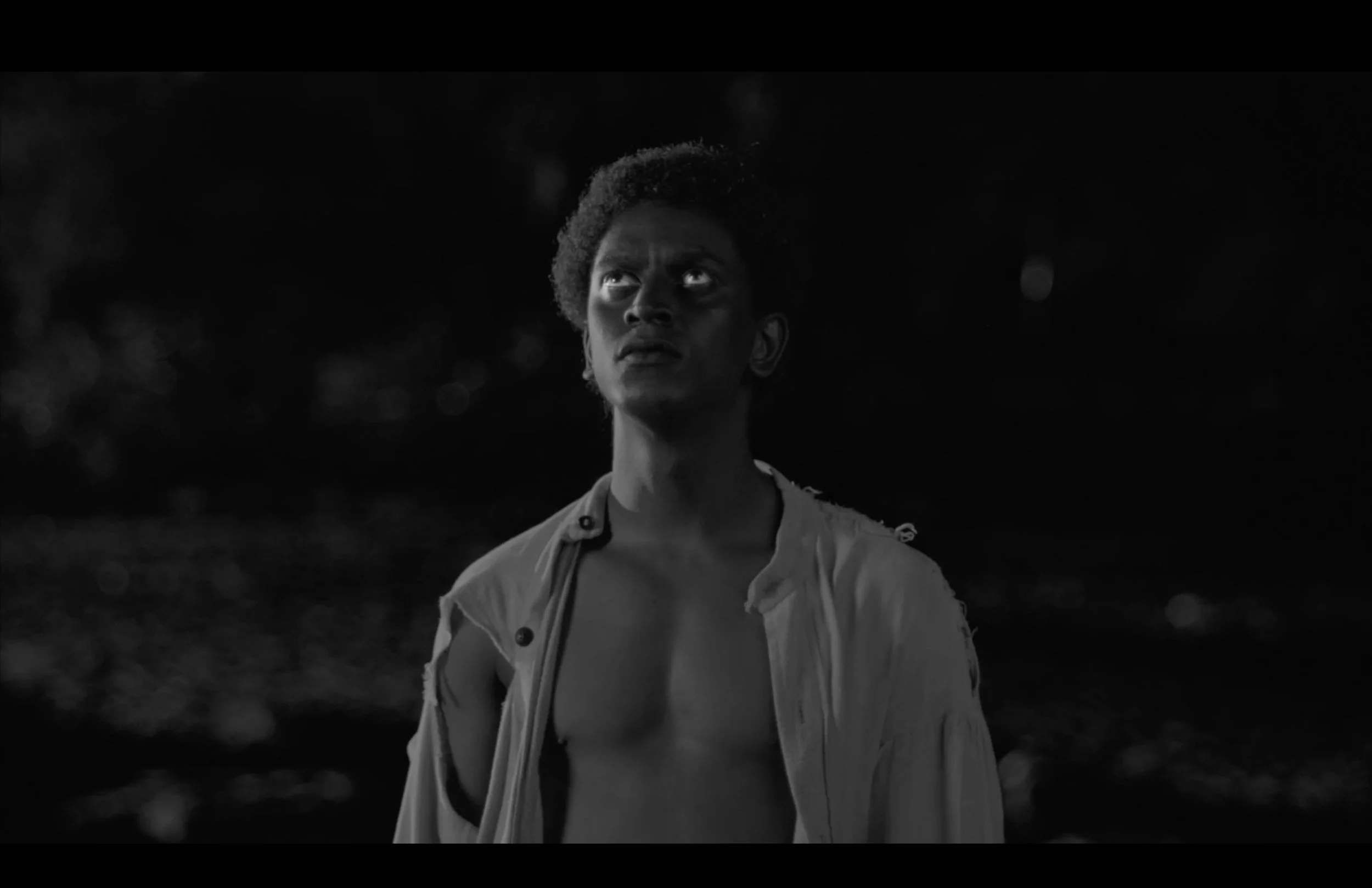
“I watched everything, I had to know the canon. I watched a lot of Walking Dead, I watched as much of everything as I could… (she pauses).
“…stomach?” I ask, completing the sentence.
Bedward laughs, but adds. “I think that horror can be an incredibly powerful tool to really look at social issues, to interrogate ourselves. I wasn’t a fan of horror before, but after I really looked at it, I saw the power of it and the potential of it, and what some filmmakers have been able to do with it. I really love horror now in a way I never did before.”
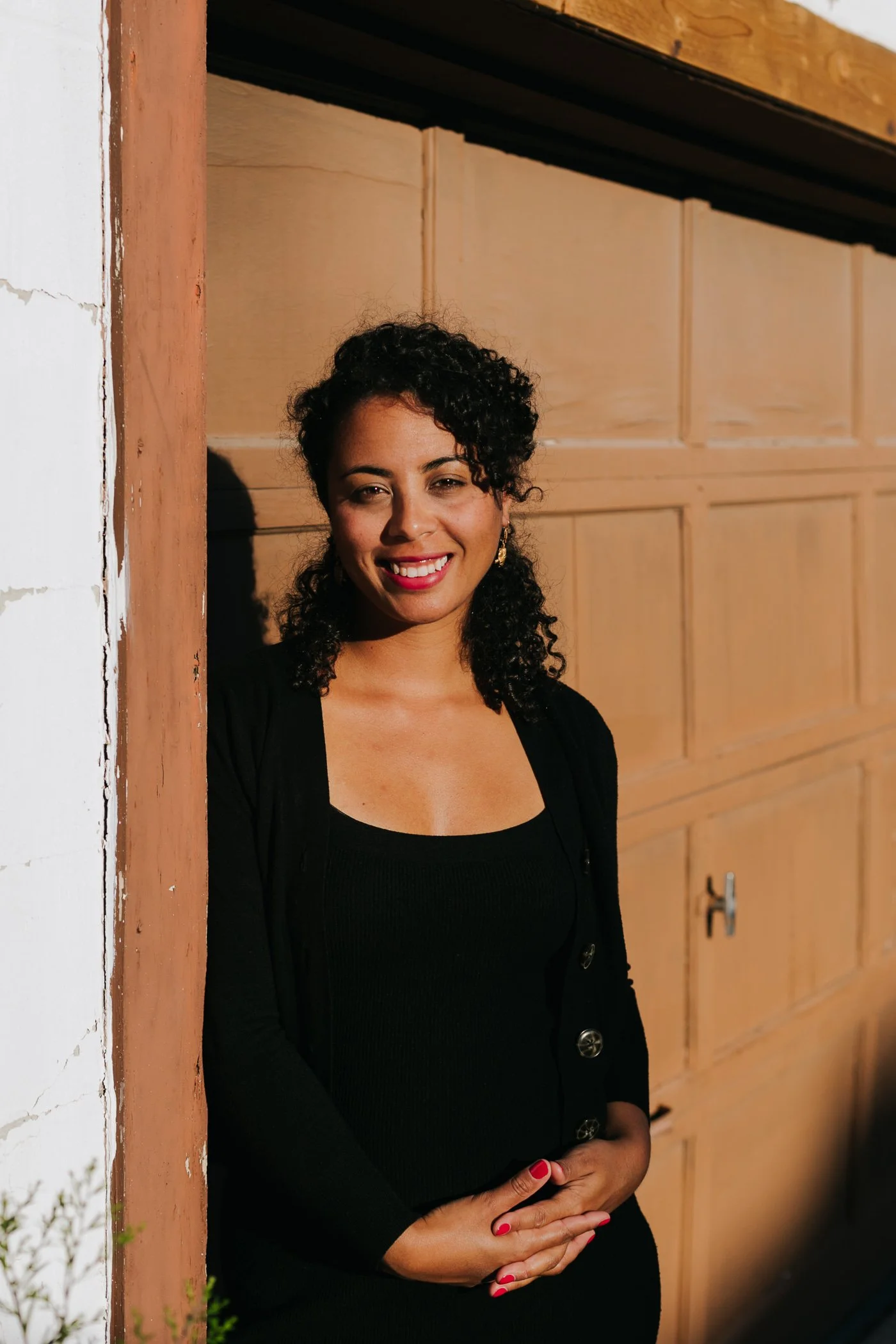
Black Zombie director Maya Annik Bedward
The social issues part has to do with vodou, the predominantly Haitian spiritual belief that includes the notion of souls prevented from leaving their bodies. The original Hollywood take was largely the work of a hard-drinking, 1920s storyteller named William Seabrook, who spent a relatively short time in Haiti but produced a book, The Magic Island, that affirmed that he’d seen zombies working on plantations there.
The reality, Bedward’s film notes, is more prosaic, but still disturbing. Vodou fell under Haiti’s colonial-rooted anti-sorcery laws, which covered basically anything non-Christian. Many practitioners of the religion were convicted and sentenced to hard labour in the fields. Endlessly labouring, eyes dead, emotionally paralyzed, it’s easy to see how they could be seen as the walking dead.
Hollywood’s version of Seabrook’s “discoveries” included films like 1932’s White Zombie, in which Bela Lugosi played a Haitian “zombie master” who turns a white woman (Madge Bellamy) into his zombie slave through the power of vodou. From White Zombie to Val Lewton’s 1943 I Walked With a Zombie, and beyond, the film notes, zombies were the incarnation of scary Black people. (The flesh-eating zombies of later Hollywood, starting with George A. Romero’s Night of the Living Dead, the film surmises, played on fear of hordes of ‘the other,’ who would kill you if given a chance.)
Meanwhile, vodou was a spiritual practice that came out of hundreds of thousands of West African slaves, sharing traditions about spirits, often combining it with Christian imagery to stay on the good side of the overseers. Black Zombie stops for a minute in New Orleans, to show a lurid shop devoted to the Creole legend Marie Laveau (“the Witch Queen of New Orleans” according to the ‘70s hit song by the Indigenous band Redbone). In reality, she was a vodou trained midwife, herbal healer, counsellor and community legend. Sinister overtones came later in the legend.

“That’s why New Orleans is kind of like the horror capital,” Bedward says. “They’ve done so many stories about the dark stuff that has come out of New Orleans. And yet the real dark scary secrets that have come out of New of New Orleans all have to do with slavery and brutality.”
Bedward’s keen interest in vodou grew out of her time at the University of Toronto, studying political science (to please her parents) and film (to please herself). The two blended nicely, and she spent some time post-graduation in Brazil, absorbing the country’s historical connection to the West African slave trade.
“Across the Americas, there’s all these tribes that connected and created their own version of West African spirituality. Candomblé in Brazil has a lot of similarities to Vodou in Haiti and Santeria in Cuba, all these different assemblies of people from different places evolving together.
“And so, it became important to make sure these people weren’t allowed to practice their religion, demonizing it, calling it sorcery.
“And then when I found out that the zombie was connected to all this, my mind was blown. How did I not know this? How did I not connect this before?”
Production on Black Zombie started with interviews in Los Angeles in March, 2020 that were cut short as pandemic lockdowns took hold. Filming went on hold, with no virtual options.
“The film is a very vast story. It’s global. We go to France where a lot of the exports of Haiti found themselves in the end in France. So, we went to France, we went to England, we were in L.A., we were in Pittsburgh, we were all across Canada.
“We went to Haiti, we went to the Dominican Republic, and then we couldn’t return to Haiti once the president was assassinated. Things became very difficult and dangerous to shoot.” The country remains in a state of violence with armed gangs and a political vacuum.
“A lot of events we planned to shoot, the vodou celebrations, were not happening because it was just too dangerous for people to leave their homes.
“I wanted the bulk of the film to be centred in Haiti. My intention was always to come back and give a high production profile to Haiti.
“People call it a civil war, but there’s nothing civil about it. It’s just the result of complete extraction of everything, no resources, chaos.”
The Hot Docs feature Black Zombie, screens Friday, April 24 at 9:15 pm at the Hot Docs Ted Rogers Cinema, and on Saturday, April 25 at 11 am at TIFF Lightbox 1.