
TIFF 2026: The True North Stays Strong and Free with Multiple Canuck Titles
By John Kirk
There’s a hearty and welcome “Team Canada” mentality at the 2026 Toronto International Film Festival (TIFF). But at its heart as usual, TIFF is a chance to showcase Canadian storytelling to the world.
This was the abundantly clear message in the opening remarks of members of the TIFF executive team (and other leaders) at a press conference held at Toronto’s TIFF Lightbox this week. Business opportunities, career development, and innovatively presenting Canada as an internationally economic hub for film opportunities were among the goals of this year’s TIFF, running September 10 through 20.
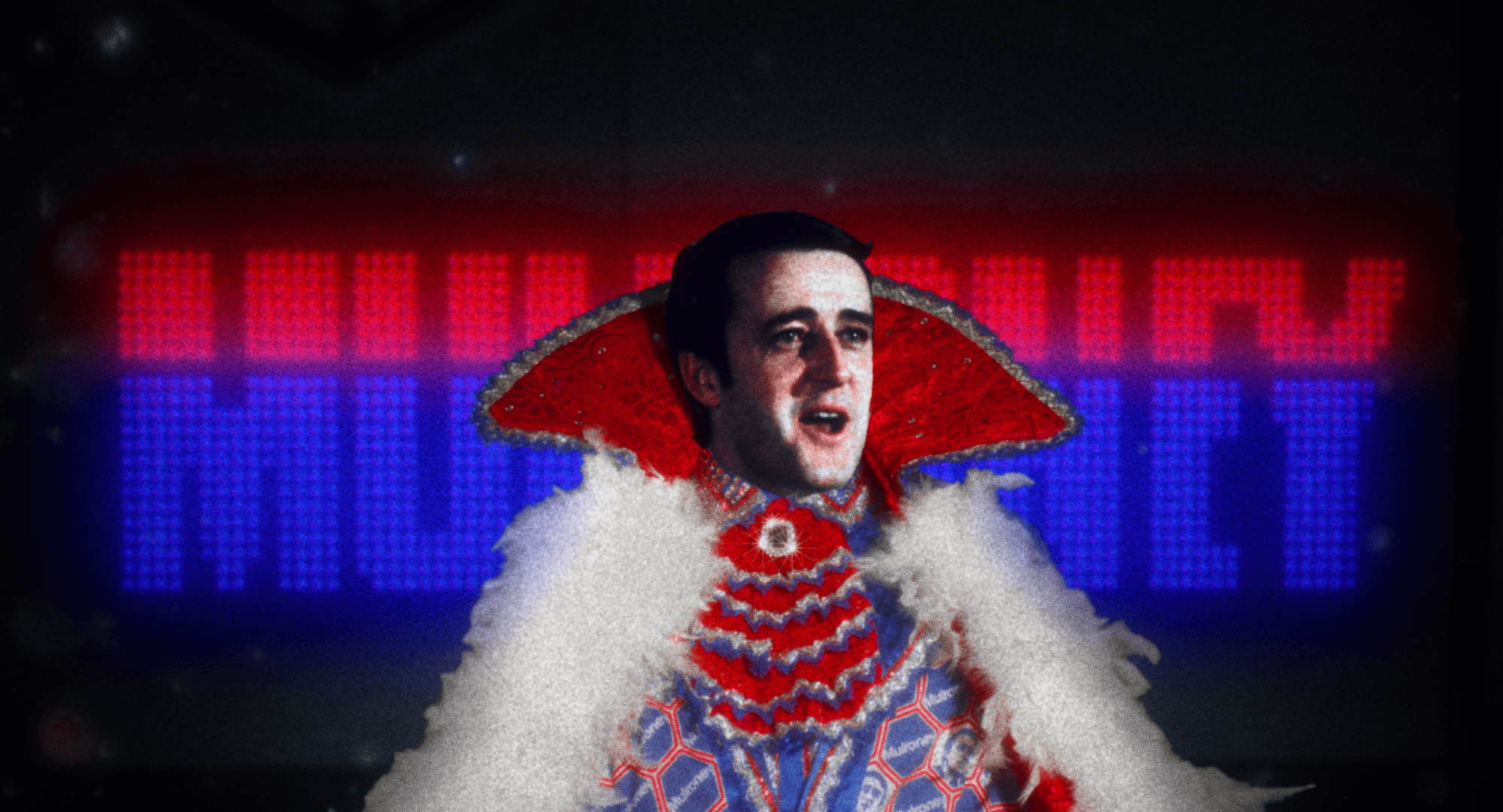
Ladies and Gentlemen, Brian Mulroney
Judy Lung, vice-president of strategy communications and stakeholder relations, set the tone by recognizing the efforts of storytellers, publicists, and journalists. Out of the 293 films and shorts in this year’s selection of titles, 61 are Canadian.
TIFF CEO Cameron Bailey added that this year was unique in that it would see the introduction of The Market, a dynamic new forum to the festival. Supported by a $23-million investment from the government of Canada, this business hub will run for seven days during the festival and will entertain pitches, IP sales, enable financing for screen-based projects and immersive media.
It will also serve as a learning place for industry students and host market screenings with over 650 slots for presentations. Bailey called it the “biggest development at TIFF in over 16 years.”
Charles Tremblay, TIFF head of market and a veteran media buyer, added that it will see over 6,000 delegates from 230 countries. It will serve as a true international hub for idea exchange and for investment in Canadian media and film storytelling.
Julie Roy, Telefilm Canada’s CEO, described the Canada Pavilion that will also be a highlight of this year’s TIFF. A dynamic middle-ground for Canadian film companies to connect with the rest of the world during The Market experience, the Canada Pavilion features programming, network activations, and private industry panels all with the goal of allowing Canadian filmmakers to showcase their works to the rest of the world.

The Canadian Pavilion aims to showcase the sort of storytelling in Canada that was at the heart of the success of The Girl Who Cried Pearls, 2025’s Oscar-winner for best animated short film. The open meeting area allows any accredited delegate with a Market badge to sit at a table on a first-come, first-serve basis to present and talk about their works.
Anita Lee, TIFF’s chief programming officer, described the direction of this year’s programming. There are two concepts. First, that “Canadian stories contribute to how we see ourselves.” This year’s programming should also reflect “meaningful pathways to build our craft.”
She described the newly implemented initiative {re}defined staged in collaboration with the National Film Board of Canada, focusing on documentary filmmakers under 30. Five of these will see their world premieres at TIFF:
Butter Chicken to Go, directed by Prajj
pahkwêsikan sâkihitowin: Bannock Is Love, directed by Tyra Delver
Restaurant Kids, directed by Syliva Mok
Là où nos fleurs poussent, directed by Maxine Kornachuk
RE/ROUTE, directed by Gabrielle Côté
Finally, programmers Jason Anderson, Kelly Boutsalis, and Maria Zaidi listed the various Canadian titles and their respected programmes.
Galas:
Man in Motion: The Rick Hansen Story, directed by Adrian Buitenhuis
Run Terry Run, directed by Sean Menard
Villeneuve: The Rise of a Legend, directed by Yan Lanouette Turgeon
Special Presentations:
Closing Night, directed by Cody Fern
All That She Wants, directed by Scarlett Bermingham and Andrew Rhymer
Neil Peart: No One’s Disciple, directed by Sam Dunn and Scot McFadyen
Whatcha Want, directed by Mina Shum
The Stunt Driver, directed by Michael Dowse
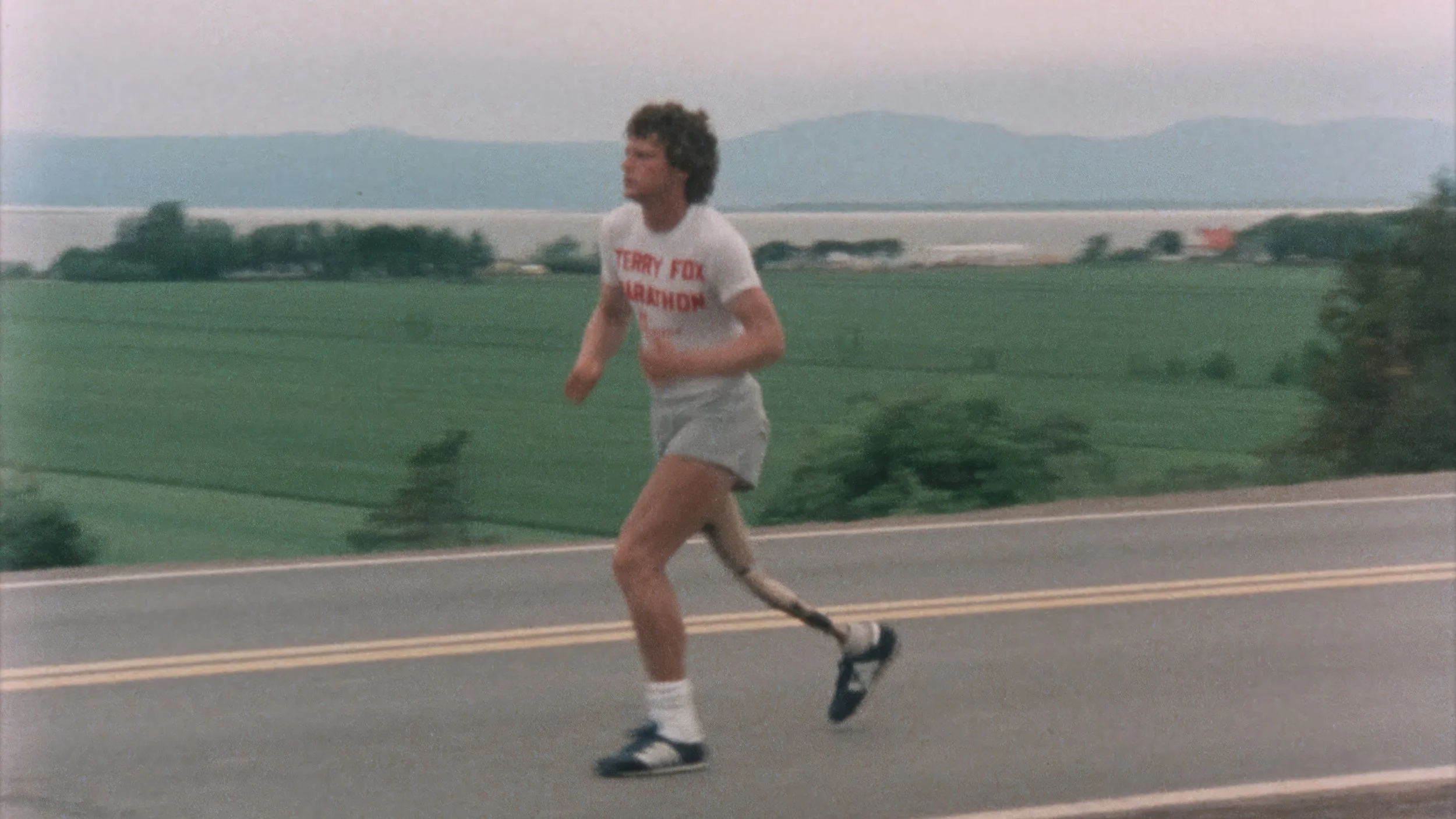
Run Terry Run
Centrepiece:
Back in Black, directed by Ron Murphy
How We Stand, directed by Marie Clements
Julian, directed by Louise Bagnall
L’Autre, directed by Alexandre Frenchi
Neverman, directed by Rodrigo Barriuso
Smudge the Blades, directed by Cody Lightning
Sunburn, directed by Serville Poblete
Tangles, directed by Leah Nelson
The Betrayers, directed by David Bezmozgis
Toy Gun Bandit, directed by Remi St-Michel
Where the River Began, directed by Juan Andres Arango
TIFF Docs:
Ba’s Book, directed by Ashley Duong
Darlene Love: I Know Where I’ve Been, directed by Barry Avrich
Gail, directed by Michael Maxxis
Still Night, Burning House, directed by Carol Nguyen
The Final Act, directed by Sophie Deraspe
The Ultra Runner, directed by Mila Aung-Thwin
Turtle Island Rap, directed by Alexandra Lazarowich
Wavelengths:
After Image, directed by Rita Ferrando
Address Book, directed by Mustafa Uzuner
Everything Else is Noise, directed by Nicolas Pereda
Nobody’s Violence, directed by Denis Cote
The Black Box is Orange, directed by Yuula Benivolski
Discovery:
Purgatory, directed by Lindsay Lanzillotta
Seventeen, directed by Justin Ducharme
Strong Son, directed by Ian Bawa
TIFF Classics:
Kissed, directed by Lynn Stopkewich
Midnight Madness:
Ladies and Gentlemen, Brian Mulroney, directed by Matthew Rankin
Primetime:
Alice, directed by Virginie Verrier and Guillame Lonergan
Yaga, directed by Kat Sandler
Below, directed by Jesse McKeown
Short Cuts:
(Haboolm Ksinaalgat) Soul Catcher, directed by Amanda Strong, Pamela Post
Almost Pink, directed by Justine Prince
BID 16, directed by Mick Robertson and Margaret Rose
Between Late April and Early May, directed by Sophia Smith
Buddies, directed by Fraser Wolfe
Call Me Tim, directed by Shamier Anderson
Dough Man, directed by Brittany Gavin and Amy Mielke
Driftwood, directed by A.C. Birch
Fivehead, directed by Christian Smith
TIFF CEO Bailey finalized the press conference by saying, “Without the business of screen storytelling, none of this happens.” Elbows up, TIFF.