
Original-Cin TIFF Chat - Darlene Love: I Know Where I've Been, the Big Voice Behind the Big Voices
By Jim Slotek
Darlene Love, a voice for the ages, sang behind two Sinatras (Frank and Nancy) Elvis Presley, Sam Cooke, Dionne Warwick, Tom Jones and virtually the entire roster of Phil Spector’s Wall of Sound.
So, as I chat on Zoom with this inductee to the Rock & Roll Hall of Fame and with Barry Avrich, the director of the Toronto International Film Festival doc Darlene Love: I Know Where I’ve Been, I’m dying to know one thing.
How did she end up singing backup on Cheech & Chong’s “Basketball Jones” (a spoof of a then hit “Love Jones”)?
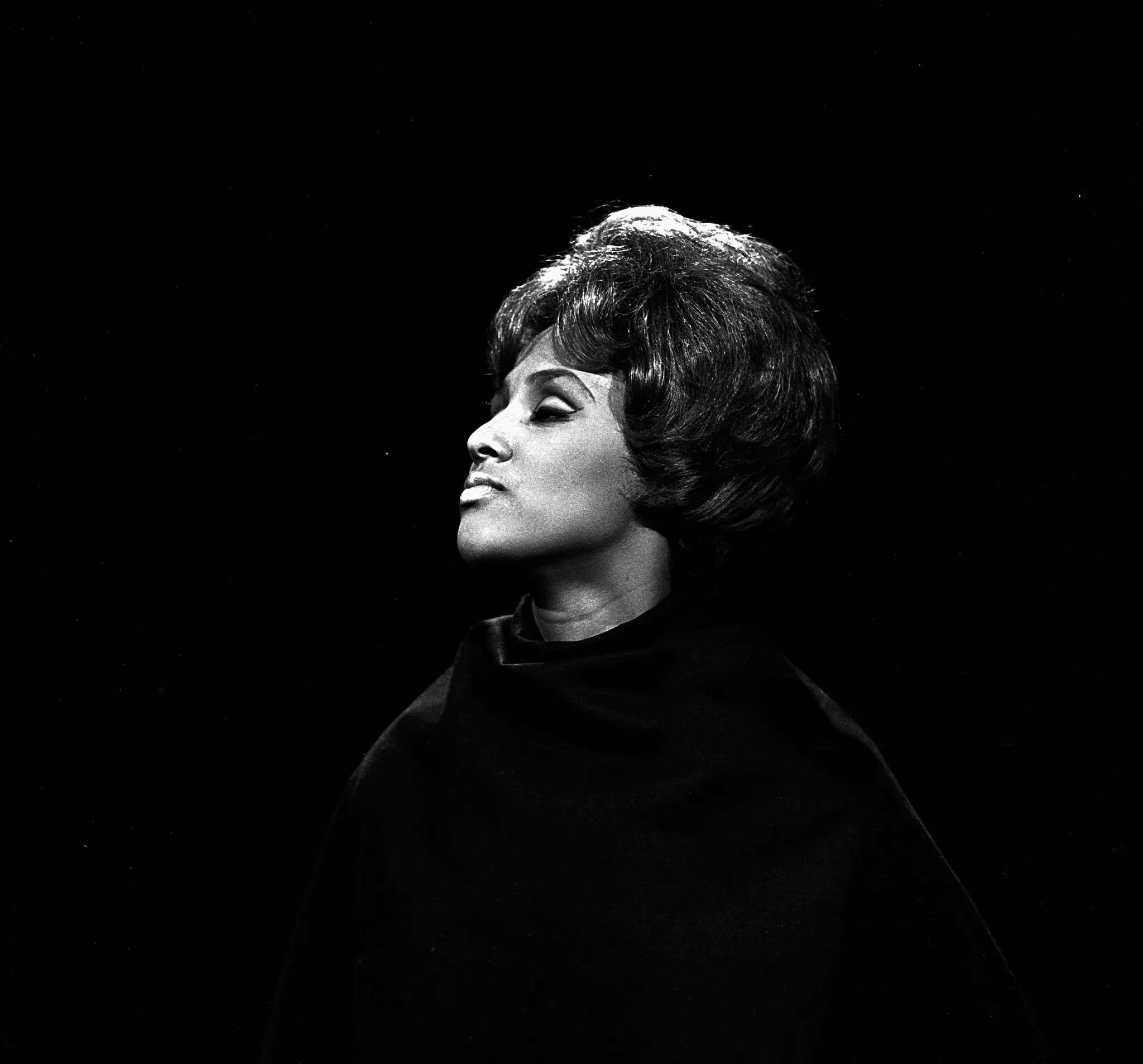
At 85, Love still has a laugh that sounds like delight. “We (Love and her then fellow singers The Blossoms) were with (producers) Lou Adler and (trumpeter) Herb Alpert, they were partners, and I would tease Herb because they were trying to make him into a singer. I’d say, ‘Pick up that horn!’
“So, whenever Herb wanted something done that was amazing and funny he would call us and the Blossoms, and he came to us with Cheech & Chong. I was like, ’Are you kidding? ‘Basketball Jones,’ what is this now?’”
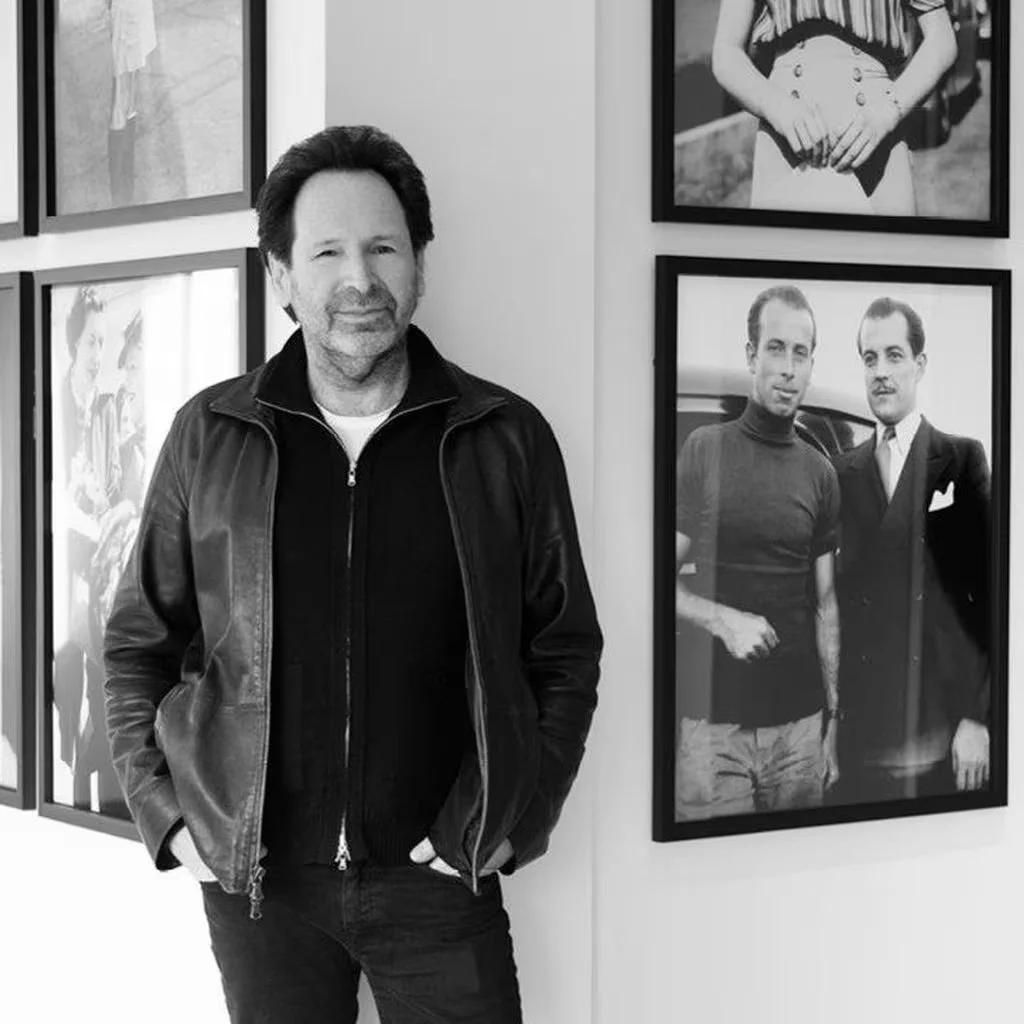
Director Barry Avrich
But it was Adler who was the sneakier of the two. She segues from there to how, at Adler’s cost-conscious behest, one of my favourite vintage albums, Johnny Rivers: Live at the Whisky à Go Go was recorded in a studio miles away from the famous club, with people clinking glasses and applauding.
All was not as it seemed back then.
Which takes us to one of music history’s biggest cheats, at her expense. During her seven-year contract with Spector, who’d reveal himself over the years to be a psychopath, she recorded the lead vocal on a song called “He’s a Rebel,” that went to #1 on the Billboard charts. But it was credited to a girl group called the Crystals. It was like Milli Vanilli, but 20 years earlier, when that kind of stuff was just business.
The story would take decades to go wide, in the Oscar-winning documentary 20 Feet From Stardom, featuring Love as one of the subjects, with all her ups and downs, family troubles, love affairs and business affairs.
And the relationship with Spector defined much of what should have been a much more spectacular career. She would later sue him and win over unpaid royalties, but the L.A.-raised minister’s daughter doesn’t seem to carry grudges. “I was no loser,” she says of that early career heartbreak. “I hadn’t won anything yet, so I couldn’t lose. Being around Phil taught me a whole lot. I watched Phil, he just didn’t know it. I watched what he did and how he did it.”
And was she surprised by how things ended for him? (He died in prison after being convicted of the shooting murder of actress Lana Clarkson). “I didn’t think it was going to end up exactly that way. But I told Phil, ‘If you don’t stop playing with these guns, you’re going to hurt somebody.’ So, any time Phil was in the studio with guns, I’d just go home.”
Says Avrich, “Darlene had a voice in the studio that obviously he resented. And in the incredible photos we have of them in the studio, you see the look on Darlene’s face, and it was defiant. And obviously, he was incredibly threatened by that. How dare she have an opinion of how something’s laid down, or how dare she question the King about a certain performance he was demanding from her?”

When Avrich made his pitch to Love to tell her entire story, she was already in talks with Queen Latifah to produce a doc. But after some time, she went with him and producer Taraji P. Henson for I Know Where I’ve Been.
“Barry was determined,” says Love, who was initially skeptical of the Canadian director. “That’s what I started liking about him. He is for real. I started watching some of us his work. And I just felt in my spirit that he was the one who was going to do it for me.”
“The short answer is, it’s time,” Avrich says. “I knew in my head that I wanted to tell Darlene’s story, primarily because I loved that this community of people cared about her. I’ve always said that show business is the only business in the world where they stab you in the front. And yet these people time and time again cared for Darlene because of her goodness and her purity and it’s just a film I wanted to make.”
True enough. When Love was trying for a solo comeback at an L.A. club, E Street Band guitarist Steve Van Zandt convinced Bruce Springsteen to check her out. Van Zandt made it his mission to get her to move to New York and help launch her career there. She stood out in musicals like Leader of the Pack, Grease and Hairspray. And David Letterman was such a fan he had her on his show every Christmas from 1990 onward to sing her solo hit “Christmas (Baby Please Come Home).” The film includes an eye-popping montage of every single one of them.
But the real glue of the movie is a contemporary session recorded at New York’s legendary Power Station studio, with a tight band, featuring Paul Shaffer on keyboards.
“And I just love the fact that at 85, those chops are still amazing,” Avrich says. “Her voice is incredible. And one of the reasons we constructed the film the way we did was to show that off. You match that footage against her singing today, when we did that session in Power Station and recorded her, and you go, ‘Whoa what’s changed?’”
Audiences at Monday’s world premiere of Darlene Love: I Know Where I’ve Been at the Visa Screening Room at the Royal Alexandra Theatre can judge for themselves. It’s been announced that the film’s subject will follow the screening with a performance.
And with more stories than most people could fit in their brains, it’s a no-brainer that a Darlene Love biopic would fly. But who would play her?
Love doesn’t hesitate. “When Barry told me Taraji (P. Henson) was going to be one of the producers, I’d seen about every movie she made, and I’ve always loved her.
“I never thought I’d get a chance to meet her. But when I met her, I felt like her. If anybody could play me, it’d be her.”