
Black Zombie: An Iluminating History of the REAL 'Walking Dead'
By Jim Slotek
Rating: B+
Fair-weather horror fans might think of the genre as simply a cathartic exercise in fright-fests and jump scares. But sit through enough of them and monsters whisper social messages in your ear.
And arguably no genre carries as many such messages on its sleeve as the zombie movie. George Romero’s mall-set Dawn of the Dead? Consumerism. Day of the Dead? Militarism. Unchecked science is on offer in everything from 28 Days Later to Resident Evil,. The Walking Dead? Same message as Lord of the Flies – humans are the worst monsters.
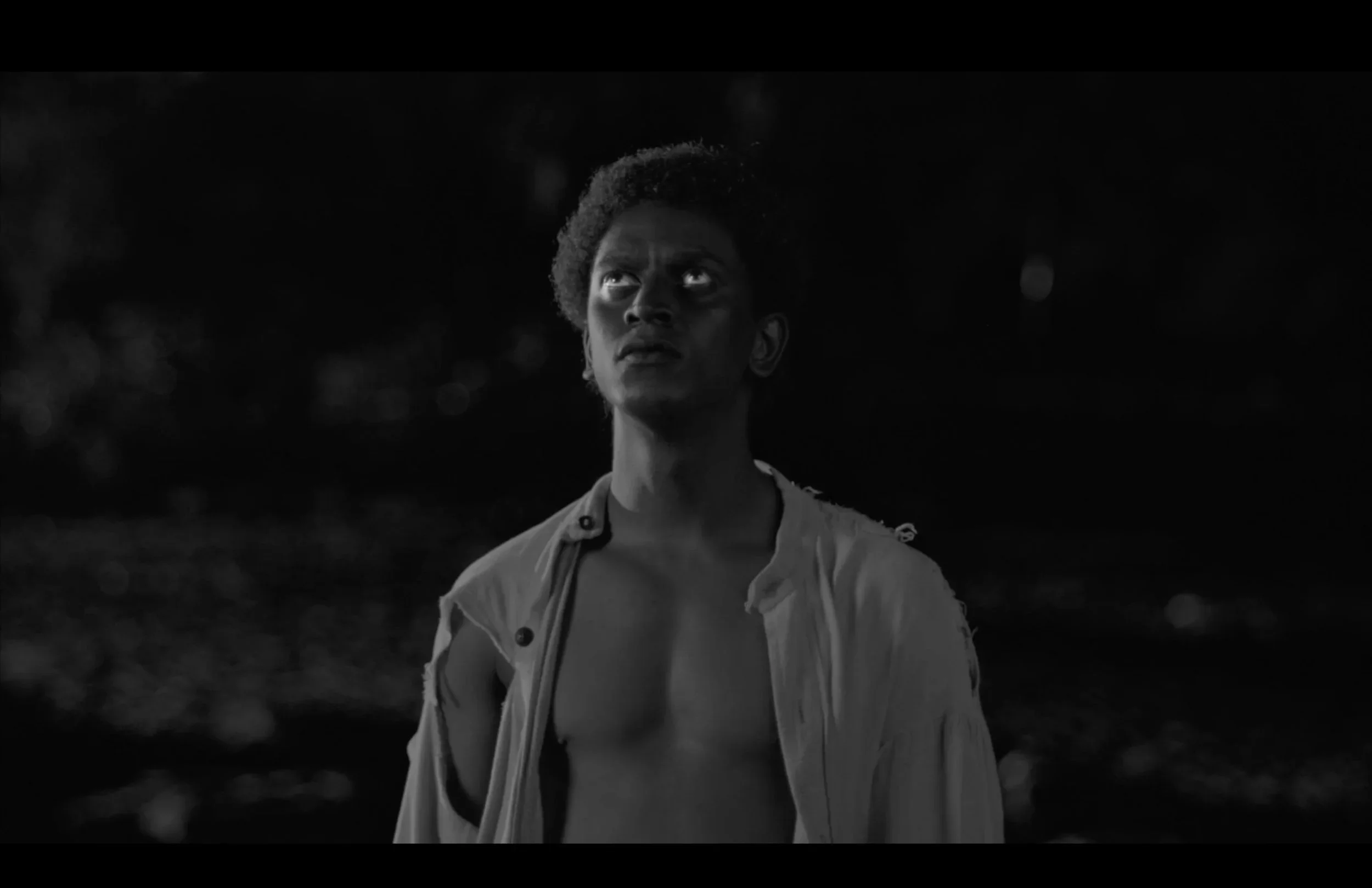
Maya Annik Bedward’s entertaining and enlightening documentary Black Zombie – which featured this year at Toronto’s Hot Docs Festival – takes the living dead back to its real-life Caribbean vodou roots and follows it all the way to Hollywood where it began as a metaphor for slavery and the menace of “godless” Black people threatening God-fearing white folk (especially women).
The Toronto filmmaker spent years in Brazil studying the West African slave trade, and its cultural echoes. But Black Zombie manages to find a singular source of the zombie myth – an infamous, hard-drinking, exaggeration-prone adventurer named William Seabrook who, in the 1920s, wrote about the dead eyes of the “zombies” he saw working in the Haitian fields.
What he appears to have seen are vodou followers who were routinely convicted of “sorcery” by their Christian overseers and sentenced to soul-crushing hard labour. You’d have dead eyes too.

Still, purple prose is just a movie script waiting to happen. And Black Zombie has plenty of Golden Age footage (most of which is in public domain) of films like 1932’s White Zombie, in which Bela Lugosi played a Haitian “zombie master” who turns a white woman (Madge Bellamy) into his slave via vodou.
The film also takes a side-turn to New Orleans, where the sinister-stream of vodou supports the local economy with lurid museums and the lure of the grave of Marie Laveau – the “witch queen of New Orleans” according to the ‘70s hit by the Indigenous band Redbone, but also a vodou trained midwife, healer, counsellor and community leader.
Throughout the film the real vodou is on display in colourful priests, practitioners, dancers and carnival participants. Guitarist Slash makes a zombie-fan appearance, while horror makeup legend Tom Savini puts in a few words.
Black Zombie is sure-footed with its connections between the Haitian slave trade and popular culture’s initial take on the zombie genre. It seems less sure what to make of the seismic shift in zombie films from slow-footed slaves driven by evil men to fast-moving predators with an infectious bite.
In Black Zombie’s narrative, the modern zombie film is driven by our collective fear of “the other,” that zombie-mob films like World War Z visually suggest crowds of Third World illegals-at-the-gates, all hell-bent on killing (or infecting) us good folk given half a chance.
The connection seems tenuous to me. But it is as valid an analysis for our current zombie-mania as any other. All zombie movies seem to have something to say – even if it’s just, “Braaiinnns!”
CLICK HERE to read our interview with Maya Annik Bedward. Screens Oct. 9-16 at Toronto’s Carlton Cinema, Oct. 14-21 at Winnipeg’s Dave Barber Cinematheque, Oct. 23 at the Sudbury Indie Cinema, and Oct. 23 and 21 at Toronto’s Hot Docs Ted Rogers Cinema.