
Atonement: A Film About War, Where the Bullet Moves Both Ways
Liam Lacey
B plus
In the new film Atonement, one of the most damning comments about American foreign policy is expressed by none other than the late Iraqi dictator Saddam Hussein, back in 2003.
The Iraqi president is seen on the television set of a three-generation middle-class family, the Khachaturians, in their Baghdad home in the opening days of the U.S.-led invasion. According to the Americans , says Hussein, “the most underdeveloped countries may one day possess weapons of mass destruction, so it’s necessary to bomb the whole world and forbid progress so that Americans can feel safe.”
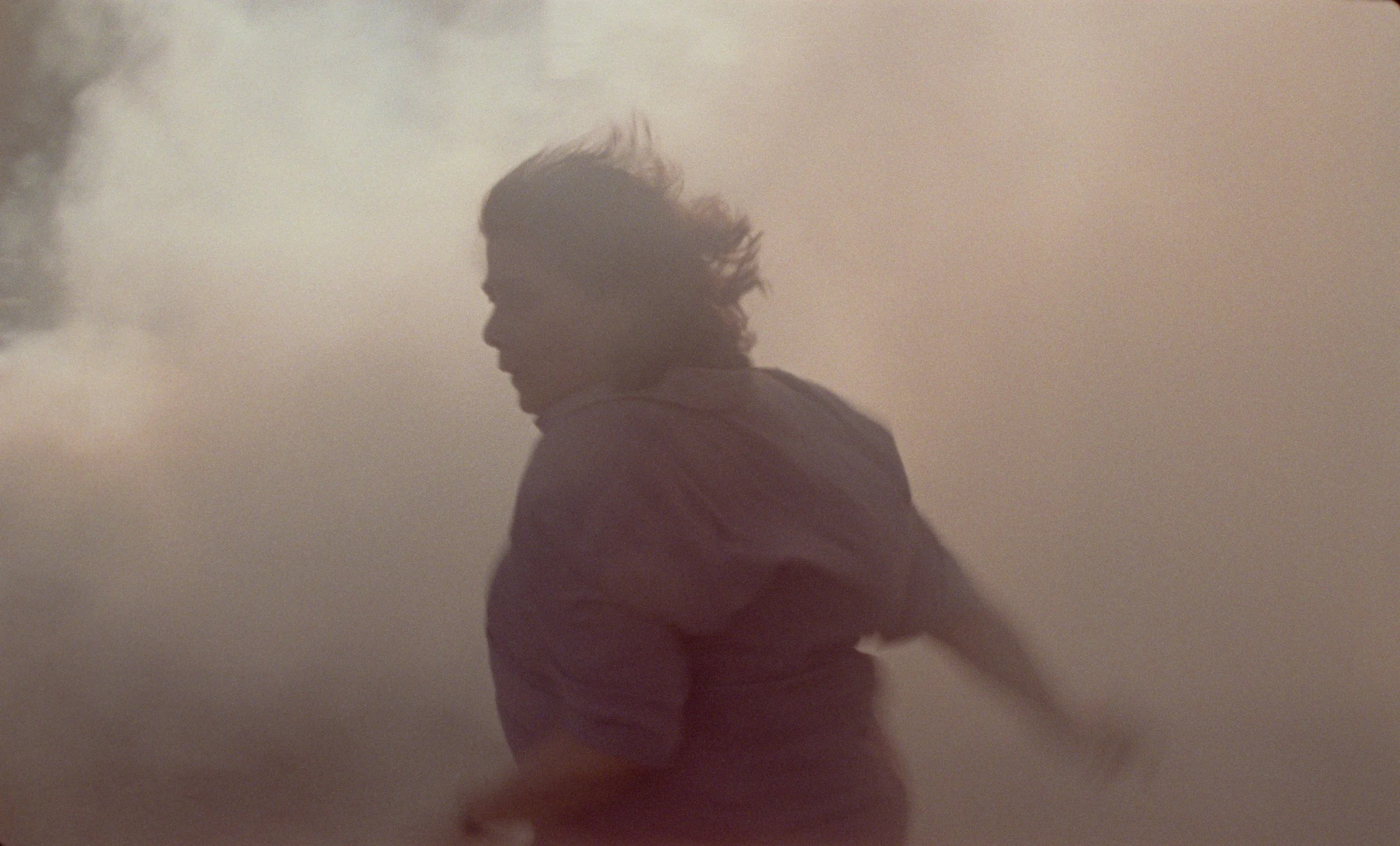
The use of a quote from the reviled dictator is just one example of how Atonement, a first feature from Reed Van Dyk, frequently zigs when you expect it to zag. The film is not, after all, an indictment of American foreign policy or even exactly about its ostensible subject, the trials of an American soldier plagued by post-combat trauma. Van Dyk’s script, based on a 2012 New Yorker article by veteran war correspondent, Dexter Filkins who co-wrote the script, questions those familiar narratives of American military suffering and absolution, and moves us from action to deeper reflection.
In that opening scene, the Khachaturian family soon turn off Hussein’s TV speech as the grandmother, Mariam (Hiam Abbass) goes about preparing a meal. Minutes later, an explosion blows up the side of the house. No one is hurt, but Mariam herds the family into two cars to drive to a safer neighbourhood. Not all of them make it.
In another part of town, U.S. marines are hanging around, mingling with the local people hanging around the shop fronts. The marines have secured an intersection when gunfire breaks out. Second Lieutenant Lou D’Alessandro (Boyd Holbrook) takes a group onto a rooftop to respond to the Iraqi shooter at the same time, the Khachaturians cars approach the intersection.
The family can’t tell if they’re being waved forward or warned to go back. Confusion reigns on both sides, and the family is caught in a hail of bullets. Other marines see a wounded girl holding a blood spattered baby, and rush to pull the survivors from the cars. Mariam’s husband and two adult sons, are dead.

In the hospital, a rumpled New York Times reporter, Michael Reid (Kenneth Branagh) shows up, notebook in hand, seeking background on the tragedy. He interviews Mariam, who he learns was a former schoolteacher who speaks English. Afterward, he attempts to talk to the soldiers from the marine squad, including D’Alessandro, but after garnering a few quotes, he’s chased away by the squad commander
The opening act of Atonement is kinetic, an immersive action film that brings to mind François Truffaut’s line that “Every film about war ends up being pro-war.” But what starts as a war film moves into something more complicated.
Jump ahead 10 years, in the slightly sluggish middle section of the film.: Lou, after eight deployments, is living in San Diego, working a variety of odd jobs, including nightclub bouncer and construction worker, and is in an on-again, off-again relationship with a level-headed student, Anna (Gratiela Brancusi). He has applied to law school, but has trouble gaining acceptance because of his dishonourable discharge for drug abuse.
He’s still in touch with his old marine squad members, one of whom sobs on the phone to him. A few months later, he sees an article from Michael, now a New Yorker writer, about the Khachaturian family, who have moved to Glendale, California. He contacts the reporter with a proposal: He wants Michael to broker a meeting with the family, to apologize, to try to move on. Michael’s former girlfriend, Olivia (Amanda Warren) is skeptical suggesting it’s selfish for Lou to expect forgiveness.
Michael meets with Lou, rejects Lou’s idea of co-writing an article, but attends a support meeting for vets and their partners, where Anna, now Lou’s fiancé, declares: “When you pick up a gun and shoot, the bullet moves both ways.”
That claim doesn’t seem precisely ballistically or legally accurate, but reflects Van Dyk’s attraction to ethical ambiguity, the theme of the film’s final chapter. We move on to the meeting between reporter Michael, the vet, Lou, and the surving Khachaturian family, now includes the now adult daughter Nora and husband Assad (Maj-Eid) who initially says, flat out, that he’d rather kill Lou than have him in their home. But good sense prevails. Meanwhile, their children play in the yard, waiting for the guests to arrive.
Both emotionally loaded and quietly ordinary (preparing tea for the guests), the finale is a set piece, both psychologically layered and affectingly acted, balanced between the stammering Holbrook, the naturalistic, understated Branagh,and Assam as a force of quiet grief. When, after a brief interval, Lou breaks down in his attempt at an apology, Mariam stares at him and responds: “We forgive you. That’s what you need from us, right?”
She acknowledges she spends a lot of time at church which suggests forgiveness is an obligation more than a choice. But as she softens, the compassion in her eyes feels real. The visit winds down; Lou volunteers to clear the table and clear up a legal matter with an offensive neighbour. At the end. One of the guests has misplaced his keys, a bit of obvious but smart symbolism, suggesting displacement and loss .Could any key unlock this chain?
Atonement. Directed Reed Van Dyk, Written by Van Dyk and Dexter Filkins. Starring: Boyd Holbrook, Kenneth Branagh, Hiam Abbass, Gheed, Najd Eid, Gratiela Brancusi, Tahseen Dahs, Jake Weary, Amanda Warren, Khris Davis. Atonement is screening at Per Kino Lorber's Canada announcement, Atonement is showing at Toronto’s Kingsway Theatre, Vancouver’s VIFF Centre, Ottawa’s Mayfair Theatre (Oct. 16) and London’s Forest City Film Festival (Oct. 23).