
Reel Asian Film Festival Fêtes 30 Years of Essential Storytelling
By Alice Shih
Thirty years is a long time but also, not that long. I can still remember when every actor on movie screens was Caucasian, with the occasional non-whites either portraying servants or bad guys in supporting roles.
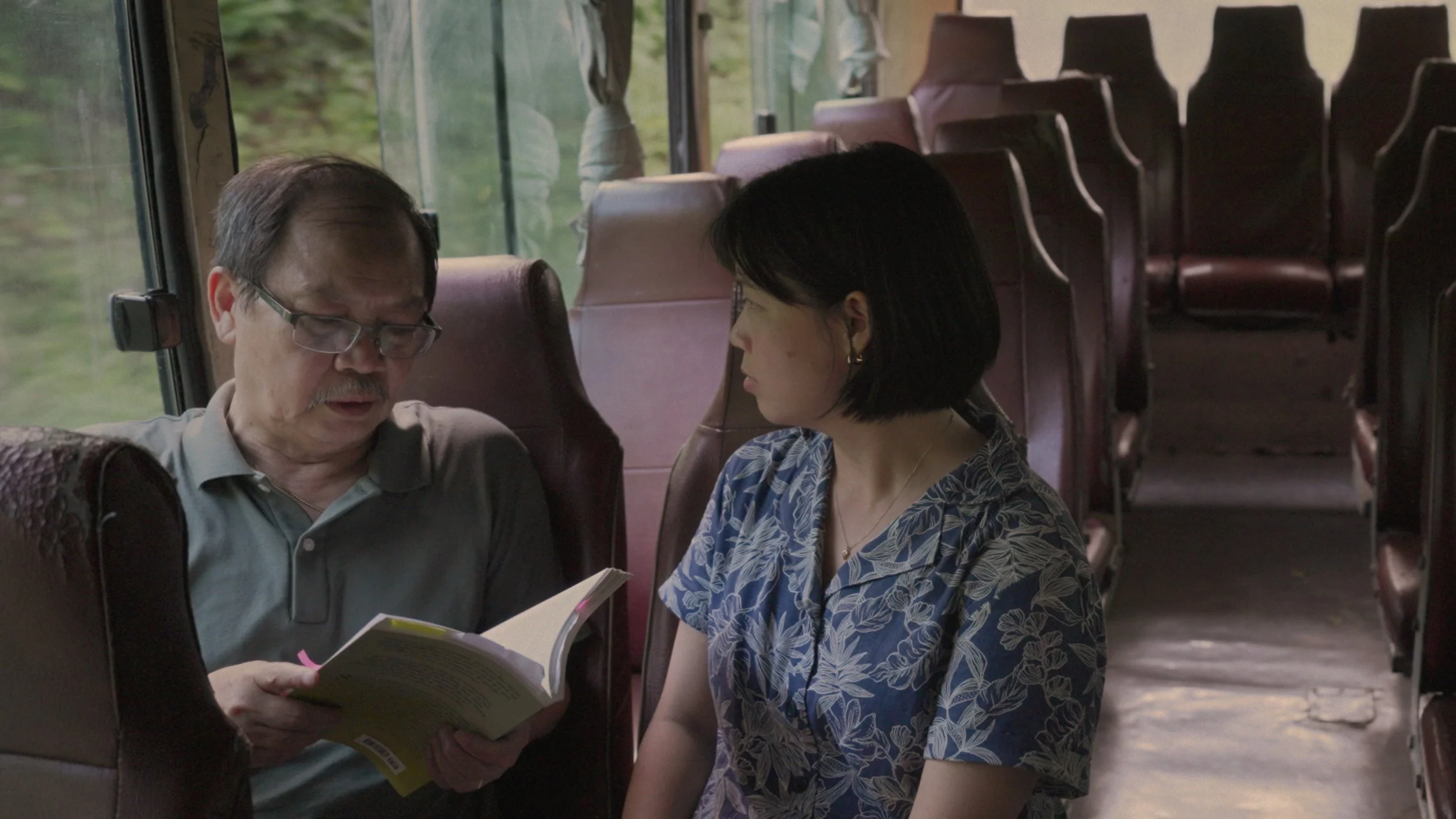
A scene from Ba’s Book
Luckily, in 1997, Anita Lee — now TIFF’s chief programming officer — and Andrew Sun founded the Toronto Reel Asian International Film Festival, finally putting Asian faces and stories on big screens in important ways. Today, Reel Asian is a national platform supporting filmmakers and audiences through screenings and other initiatives Canada-wide.
The 30th annual instalment opens November 11, running through November 21 in Toronto and online across Canada from November 16 to 29. It showcases 15 feature films and 42 shorts and offering stories from Asia and the Asian diaspora worldwide.
Innovative initiatives include the newly introduced Anniversary Screening programme, bringing back the 2001 delightful documentary Film Club, which best describes what I experienced at that time.
Director Cyrus Sundar Singh was age 11 in 1971 when Canada became the first country in the world to recognize multiculturalism as official government policy. He joined an after-school film club and found the participants all happened to be children of immigrants.
This racially diverse group made short films exploring their identities. Singh reunites his classmates to revisit their experiences growing up in a multicultural Toronto neighbourhood in 2001, taking the audience through a nostalgic time machine when things were quite different… or not?
Opening the festival is Vietnamese Canadian Ashley Duong’s hybrid documentary, Ba’s Book. Duong was inspired by her father’s memoir Dear Da-Le: A Father’s Memoir of the Vietnam War and the Iranian Revolution which detailed his journey fleeing from Vietnam to Iran and eventually calling Canada his home.

What is not clear in the book is why he chose to leave his family and never went back. Duong wants to heal his wounds by persuading his father to return and reunite with his siblings in their home village. The film moves seamlessly between reality and re-enactment, bringing its audience deep into the heart of the conflicts, empathizing with this once ideologically divided family’s torment.
Another feature made in Vietnam is Bảo Lê’s Hearing, an arthouse charmer focusing on a reclusive travelling workman who installs decibel meters across the region. It speaks volumes emotionally and metaphorically within serene settings with limited dialogue. The juxtaposition of quiet landscapes and essential sound effects effectively heighten the defective communication among the pained characters.
From Korean Kim Eun-young comes Brunch with a Depressed Zombie which flips the horror genre into a romantic dramedy, portraying a loving couple who must learn how to care and relate in a new way when one of them is infected by the zombie virus. It is allegorical as we examine how couples grow old together or grow apart. Does “til death do us apart” still hold?
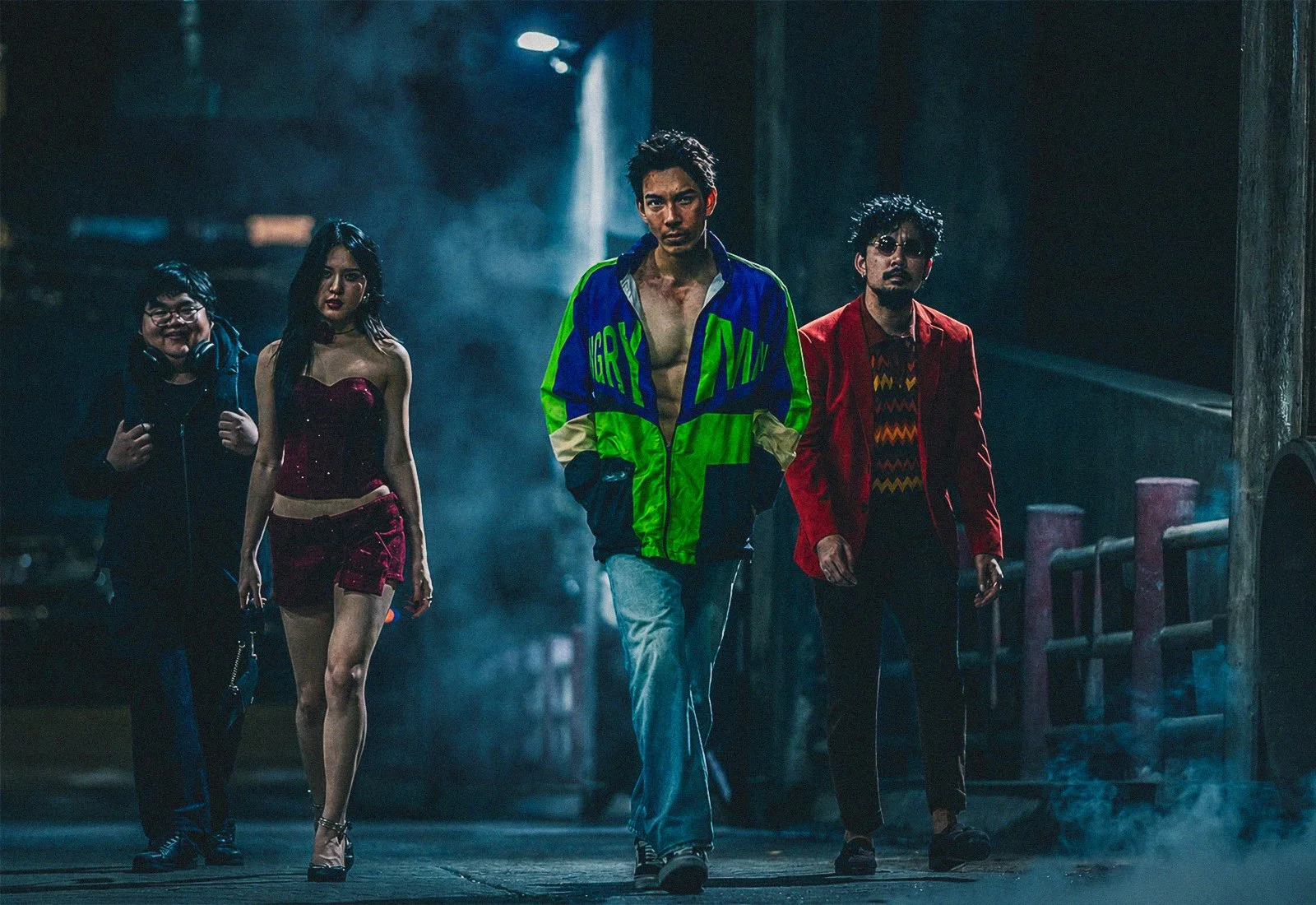
A scene from God Skin
Thailand has a wealth of fantastic thrillers and the closing night gala, Paween Purijitpanya’s God Skin, is a guilty pleasure. Cliché has it that our underprivileged protagonist has a sick mother, and he must enter the underground MMA arena to pay for her hospital bills.
In order to win, he undergoes biological enhancements to power himself up to evade defeat, and this comes with a devastating surprise when he learns nothing is what it seems at the end. The fight choreography is wild and the message of greed colluding with addiction is lethal.
Centrepiece Presentation is Filipino Canadian Serville Poblette’s Sunburn, winner of the Best Canadian Feature Film at TIFF 2026. It is the hottest day of the year in Toronto and the power is out. The residents of a low-cost housing complex have to get out of their units to stay cool. Behind the chill of these Gen Z’s lifestyle, one can perceive their seemingly hidden concerns through their interactions.
Animation has always been celebrated at Reel Asian. Unlike previous years where Japanese anime dominated, Julien Chheng, director of Muyi, is French Chinese. His onscreen brush stroke resembles Chinese calligraphy painting, which is artistically groundbreaking and aesthetically pleasing.
The coming-of-age story centres on Muyi, a teenaged girl living on a remote mountaintop exclusive to women who has her life upended after watching a theatre performance which sends her into a world of chaos and adventure.
To entice the even younger audience, the Wee Asian program of shorts offers drop-in screening in a relaxed manner with fun crafts for kids to play.
Film screenings are complemented by workshops and panels in the Industry Section for the public and filmmakers to connect. Topics range from the more traditional crafts training like writing and cinematography to the newly emerging artform of “Vertical Storytelling” which refers to scripted video content filmed in a vertical (9:16 portrait) aspect ratio to be watched upright on smartphones.
The grand finale of the LIVE pitch competition has always been the most popular program ever since it was introduced.
Reel Asian plays a very important part in raising awareness of visible minorities on-screen. The entertainment industry has moved forward as multicultural characters and colour-blind casting were unheard of 30 years ago.
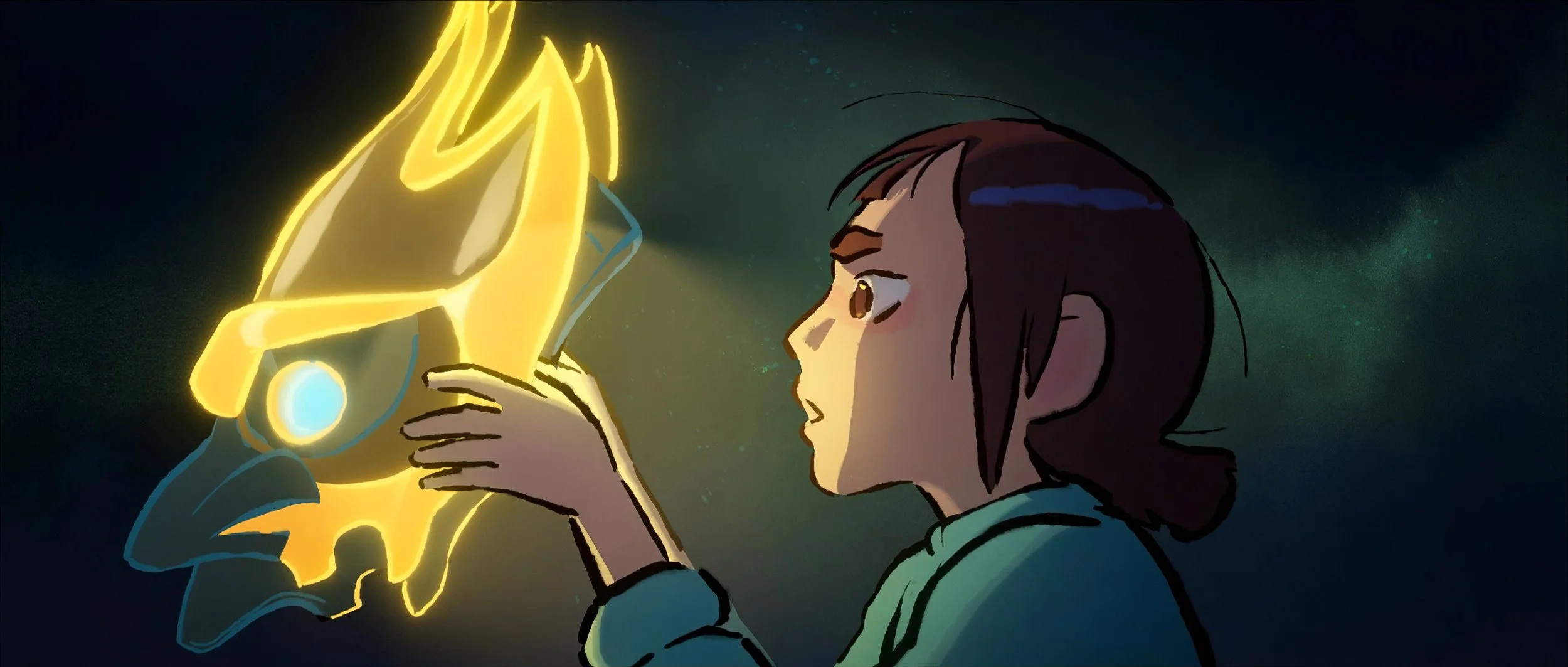
A scene from Muyi
Deanna Wong, Reel Asian’s longest-serving executive director, has been at the helm for 12 non-consecutive years. She will be stepping down after this Pearl Anniversary celebration and has this to share: “I think just by having been around for 30 years we have had an impact. Back in the day, no one would imagine we could have sold out screenings like Journey from the Fall (2006) or West 32nd (2007).
“We hear that from so many folks, that they met so-and-so at a Reel Asian party and they started working together. This festival provides a channel to keep them collaborating to make films that we can show and can be shown on one of the many platforms that exist now, beyond movie theatres.
“We have an Air Canada award which has given nearly 100 shorts the chance to be seen on Air Canada flights by people from all over the world.”
Kelly Lui is incoming as executive director, leading the festival to new territories, “I was so new to the industry in 2018 when I joined Reel Asian, and I didn't have a clear grasp on how it works. Yet, I have met some co-conspirators who weren't afraid to question or admit what they didn't know as well.
“Some of these earlier questions have transformed into initiatives and programs, like the Youth Critics Initiative that is a partnership with TACLA (previously known as The Asian Canadian Living Archive). Now in its seventh cohort, this program has offered mentorship, workshops, and access to Reel Asian to over 30 aspiring Asian Canadian critics who get the opportunity to have their longform writing published with editorial support and care.”
Wong looks ahead. “I think in the current economic climate, where funding initiatives that support the creation of stories by equity-seeking communities are being cut, our festival is even more important, if only just to provide artists with the encouragement to keep going.”
Adds Lui, “Reel Asian’s mandate has often provided impactful and constructive engagement for filmmakers to continue telling their stories in more bold and expansive ways. It has always been about nurturing that ecosystem and I hope this is something the organization continues to foster moving forward for the next 30 years.”
Cheers to that!
Images courtesy of Reel Asian Film Festival